

SUMMER NEWSLETTER
DECEMBER 2025

IT’S BEGINNING TO LOOK A LOT LIKE CHRISTMAS
As another year draws to a close and the festive season approaches, I want to thank you sincerely for your support during the year. It has been a pleasure looking after our customers, and Knight’s Roses look forward to helping you in 2026.
Wishing you and your loved ones peace, joy and happiness this Christmas and a wonderful New Year.
With best regards,
Daniel Knight and all the team at Knight’s Roses
NEW RELEASE ROSES FOR 2026
Whether you are starting a new rose garden or continuing your love affair with roses, now is the time to plan your rose order ready for the winter season. With colours more diverse than ever and greater disease resistance, rose growing has never been easier or more enjoyable. Shop online and pre-order your new releases and favourite roses to avoid disappointment. Don’t forget roses also make wonderful gifts! Visit our website or phone us on (08) 8523 1311.
We’re excited to offer three brand-new roses from the world-famous Rosen Tantau, available to order now for 2026.
Country Girl
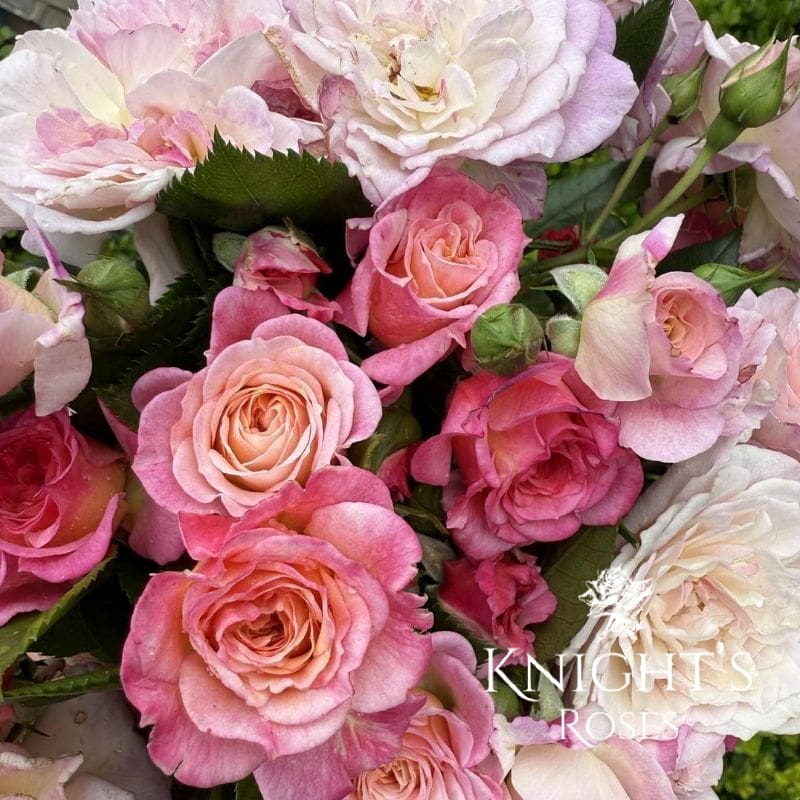
Country Girl is a wholesome kaleidoscope of colours from small raspberry red buds that open to delightful pink flowers, then with age they start to reveal their complex but beautiful colouring; dark pink through to apricot. When fully in bloom they transform into buff and cream colours with slight hints of pink edging and a yellow centre.
Country Girl has a long and continuous flowering period and has excellent disease resistance to black spot, mildew and rust under normal growing conditions. Leaves are very healthy, medium green, glossy and resistant to unfavourable weather conditions.
The plants have a compact, bushy, slightly arching growth habit, reaching approximately 130cm in height and 100cm in width. The stems are quite weaponized with dense thorns.
Voted ‘The Favourite’ rose for 2026 by the Knight’s Roses Critiquing Team.
Lancelot
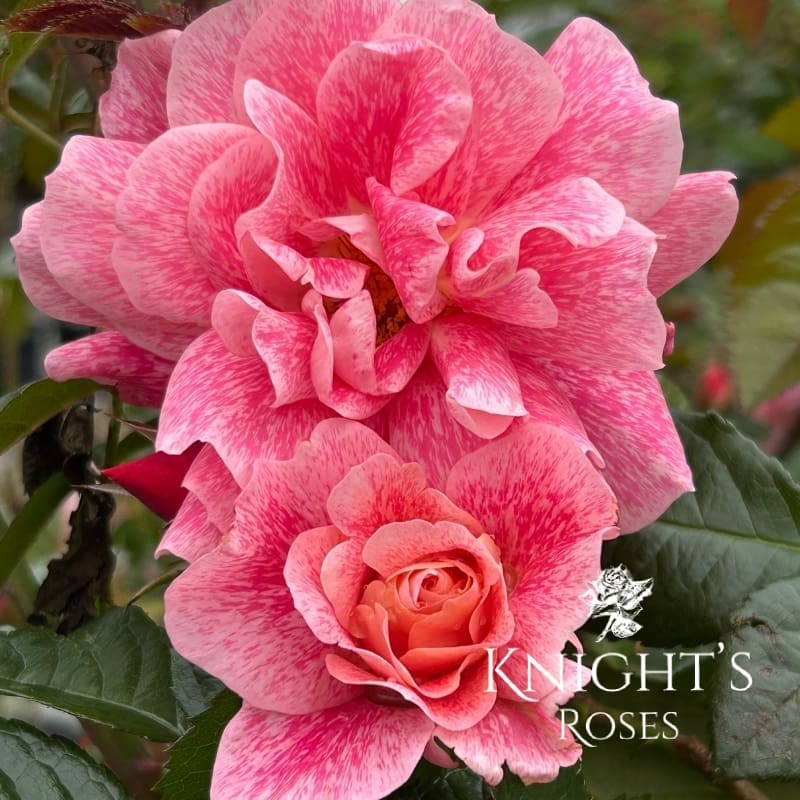
The tall, fragrant shrub rose ‘Lancelot’ is a distinguished sport of the multi-award winning Climber ‘Camelot’.
Carrying the qualities of its parent, Lancelot features open double blooms in a cupped shape, 6-8cm in diameter, with dark pink flecks or veining on a soft pink background enhanced by an attractive fragrance. The bush has excellent disease resistance and healthy dark green foliage, reliable repeat flowering and reaches a height up to 1.5m. Awarded Best Shrub Rose at the Saverne Rose Trial in France in 2020.
Theodor Fontane Rose
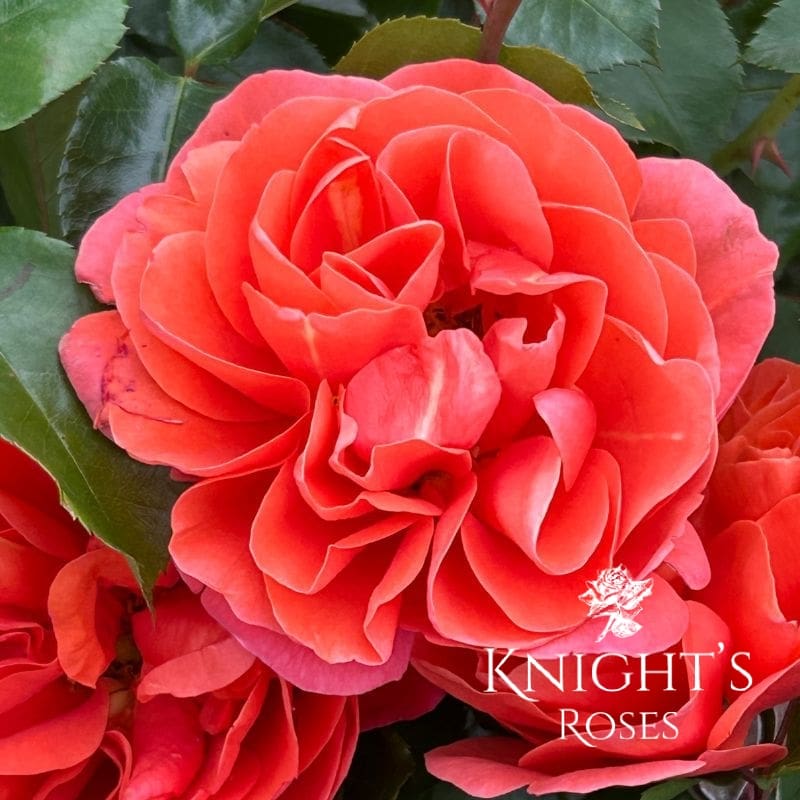
The Theodor Fontane Rose is a captivating addition to any garden, celebrated for its vibrant orange blooms and historical significance. Named in honour of the renowned German writer and poet Theodor Fontane (born 1819), this rose embodies the beauty and resilience of classic floribundas.
With bursting orange blooms that age gracefully into a soft pink, each flower is a medium-sized, double-bloom form with 17-25 petals, revealing golden stamens at full bloom. The flowers are arranged in small clusters, creating a stunning display throughout the blooming season, filling the glossy green foliaged bush in striking colour. The petals are exceptionally dense, making the flowers resistant to rain and ensuring they remain beautiful in all weather conditions.
THE SCENT OF ROSES - WHAT YOU DIDN’T KNOW!
Fragrance is one of the most important qualities rose lovers look for in a rose. To some, a rose without scent does not deserve to be in the garden. However, scent is a highly subjective thing, a bloom that is delightfully fragrant to one person can go overlooked by others.
The scent in rose petals comes from a complex blend of organic compounds. It’s a very intricate combination – rose scent is made up of more than 400 different chemicals and pheromones within the rose. The most fragrant roses release their scent from tiny glands in the petals. The perfume wafting from roses invites insects, such as bees and butterflies to visit, boosting cross-pollination. To make the story even more interesting – no two perfumes are alike.
Fortunately for us, rose breeders have acknowledged the importance of fragrance in creating new roses and as a result there are plenty of fragrant roses to look forward to in the future.
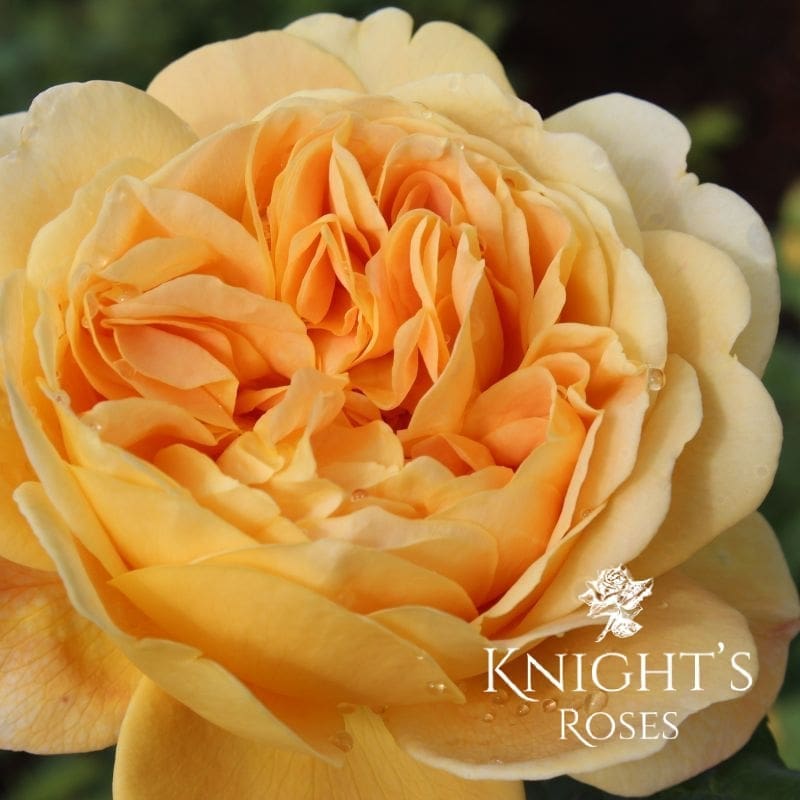
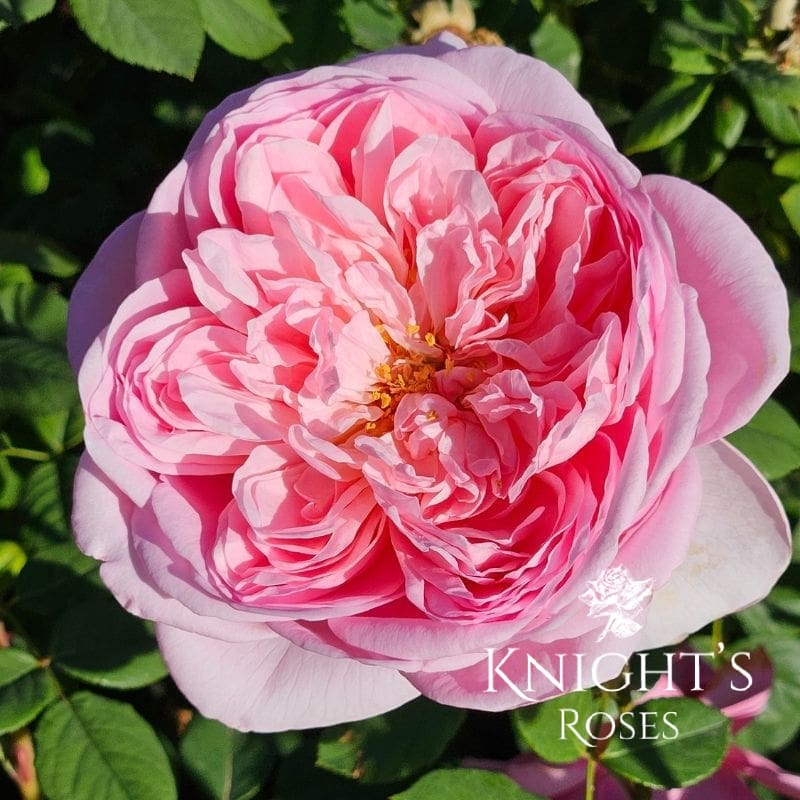
Here are a few classic roses worthy of note where the fragrance is strong and delicious:




ROSE GROWING ESSENTIALS FOR THE SUMMER SEASON
Roses will thrive in our hot dry summers providing we follow a few basic guidelines.
Summer in South Australia is generally hot, dry and sunny with very low humidity. The average daily temperatures in Adelaide in December are 26°C, in January 29°C and February 29°C. These averages are lower in the Adelaide Hills, Lower South East, Lower Eyre and Yorke Peninsulas and Kangaroo Island and similar or higher elsewhere in the State. What these averages don’t show are the very hot days and heatwaves we have which can be very severe on garden plants.
Rainfall, on average is also generally low in these months. The amount of sunshine is very high, averaging around 300 hours per month. The UV readings are often high to extreme and evaporation rates, due to heat and low humidity, are very high.
So, what does this mean for our roses and how can we care for them during summer?
1. Watering
Beat the heat. The most important ingredient for roses in summer is water. Generally, established roses need an average of 20 to 30 litres of water for each rose per week. It is essential that a rose is well hydrated prior to expected heatwaves, where the temperature is above 35°C on average. If severe heat is forecasted in the week ahead, you should increase the rate of watering to 30 to 40 litres per plant. If a rose dries out, it is difficult to get it to recover quickly.
For healthy, thriving roses, aim for a deep watering once or twice a week, preferably in the early morning. During periods of extreme heat, increase this to three or four times a week. Deep watering is far more effective than light, daily sprinklings. And for scorching days, protect your potted roses by moving them into the shade.
These watering recommendations assume you have a substantial covering of mulch. Without mulch, you will need twice the volume of water per plant.
Finally, for those with roses in pots, a good watering (until it flows from the bottom of the container) will be required every two days. Try and shift or place your pots under partial shade during heatwaves.
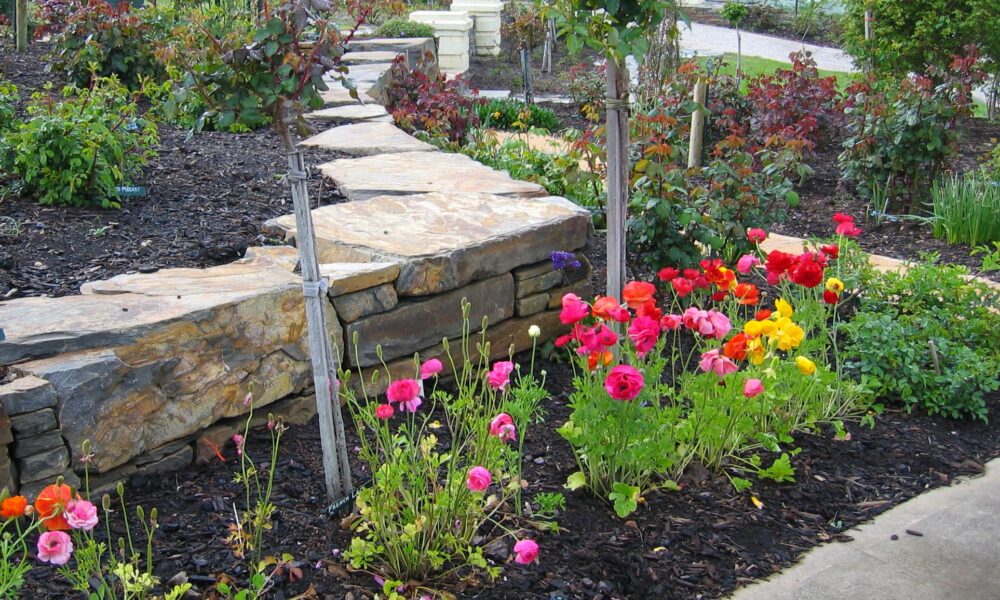
2. Mulch – but which one?
Mulch is the gardener’s “best friend” in the summer months. A good layer of mulch performs three key tasks:
- Significantly reduces evaporation from the soil, saving up to 40% or more of the irrigation otherwise required.
- Cooling and maintaining moisture levels around surface roots (those in the top 10cm of the soil) and helps to control weeds.
- As the mulch breaks down it feeds the plant and enriches the good microbial activity in the soil, working as a soil improver.
First make sure the soil is well watered before you start to mulch. Keep at least 10cm radius from the base of the rose to avoid damage.
Local product Neutrog’s ‘Whoflungdung’ is a certified organic mulch which has revolutionised mulch and its application throughout Australia. This mulch is biologically activated, nutrient rich and weed free. It comes in convenient 20kg compressed bales and can be taken to and easily spread where it’s needed.
On rose garden beds ‘Whoflungdung’ should be applied between 5cm (if topping up areas already mulched) to 10cm thick (if applying for the first time). It should be applied by early summer. Apply water after application to settle the mulch in and reduce the initial odour which only lasts a couple of days.
3. Flowering
Providing the spent blooms were removed following the first flush in spring, another bountiful blooming period will coincide with the Christmas/New Year period. Once this is over, you have two options. The first is to leave the spent blooms on the bush and reduce the watering a little, providing just enough to keep the plants alive, but not thriving – effectively placing them into a summer hibernation. They can then be stirred back into strong growth with an application of Neutrog ‘Sudden Impact for Roses’ and a summer trim in late February or early March to produce a good flush of blooms in autumn.
‘Sudden Impact for Roses’ is an organic based fertiliser recommended by the Rose Society of S.A. It provides a full range of plant nutrients in a slow release form together with water-soluble nutrients to maximise performance.
The second option is to keep the rose flowering with continuous removal of spent blooms, with plenty of water and applications of liquid ‘Sudden Impact for Roses’ every two weeks in January.
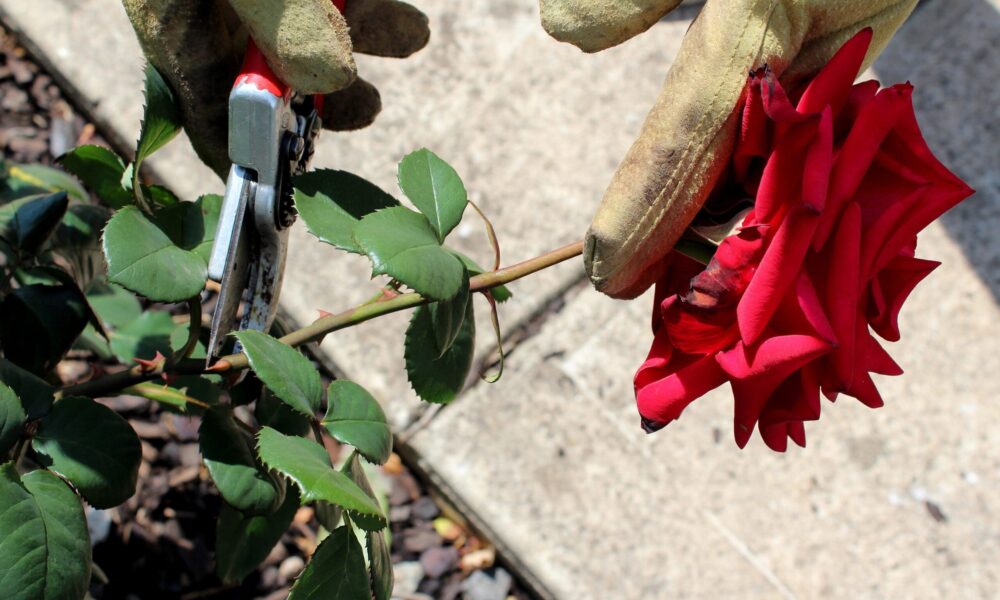
It is to be expected that the flowers in January, February and early March will generally be smaller with less petals than in the spring and late autumn flushes. This is heat related. In addition, due to high UV readings, dark coloured roses, such as red roses, can show scorched petals after very hot, sunny days. Like us, some roses can burn under these conditions. Temporary shade can prevent this occurring if desired.
4. Fertilising
If you want your roses to thrive during summer, an application of ‘Sudden Impact for Roses’ soon after Christmas is recommended. This can be applied as pellets if you have a sprinkling system or as a liquid if you have drippers.
Any underperforming roses can be given an application of Neutrog’s ‘GOGO Juice’ every fortnight. This is essentially a pro-biotic for your soil and plants which is rich in beneficial bacteria and other microbes to assist in encouraging the plant to recover. If it does not recover, it may be near the end of its natural life and could be dug out in autumn to enable a new rose to be planted.
If you have put your roses into summer hibernation, start applications of heavy watering early in February and then fertilise with ‘Sudden Impact for Roses’ in mid to late February. A summer trim should follow two weeks later to ensure the rose is set up for an abundant autumn flush in around 55 days after the trim.
A word of warning here because the operative procedure is summer trimming. It is sometimes wrongly referred to as summer pruning and the inexperienced grower must resist the temptation to cut too heavily.
The weeds are relentless, especially after soaking rainfall in winter and spring. The only answer is to “keep at it”.
5. Pests and Diseases
Given our hot, dry, low-humidity summers, most fungal issues disappear and pests such as Aphis and grubs also “back off”.
Spider Mite may be an issue and when present, lower leaves close to the ground may pale in colour. Remove a leaf, turn it over and watch carefully (a magnifying glass may help). If insects, the size of pepper start moving around and/or a fine web is evident, Spider Mite are present. Organic oils (such as Eco-Oil or Eco-Neem) or one of the natural sprays (such as Natrasoap) can be used to control bad infestations – don’t use strong, toxic insecticides.
Water sprayed upward from under the leaves can also assist with the removal of early infections. Spider Mite live under leaves and don’t like to be wet.
Summer is all about the weather. Plan ahead based on the weather forecast for the next 7 days in relation to watering and possibly using shade protection.
If you follow these guidelines you will continue to get the best from your roses.
LET'S STAY CONNECTED ON SOCIALS
For more rose growing inspiration, care tips, and behind the scenes moments from the nursery, follow us on:
We share everything from pruning how-tos and seasonal rose advice to sneak peaks at whats blooming around the nursery.
Tag us @knightsroses – we love seeing your gardens!
