

SPRING NEWSLETTER
SEPTEMBER 2025
As spring arrives, gardens awaken, the sun warms our soils, and it’s time to give some attention to our gardens. Your top priorities for spring are outlined in our rose growing notes. Also consider rejuvenating your garden with some great roses from our list of “Best Sellers”. We also have a detailed guide on preparing new garden beds.

TOP SELLING ROSES IN 2025
This wonderful collection of roses includes some of the greatest roses of all time together with recent introductions, making our top selling roses list for the 2025 season a helpful guide, especially for rose-lovers who are new rose enthusiasts. You won’t be disappointed.
PREPARING NEW GARDEN BEDS FOR ROSES
Choose a sunny location with at least six hours of sunlight per day and free of root competition from trees or shrubs. Roses like a well-drained soil, rich in organic matter. Avoid planting in old rose beds unless new soil has been added.
Around Easter is the best time to commence soil preperation for new rose plants, including the removal or underperforming old plants. We think every rose in your garden should earn its place – remove weak lackluster performers to make room for new rose varieties.
Where a rose plant is to be removed, commence the process in April or early May by removing the old plant. Endeavour to dig-up as many of the old rose roots as possible. If you can, take a half a barrow of old depleted soil out and replace with soil from elsewhere in the garden which has not grown roses and also add compost.
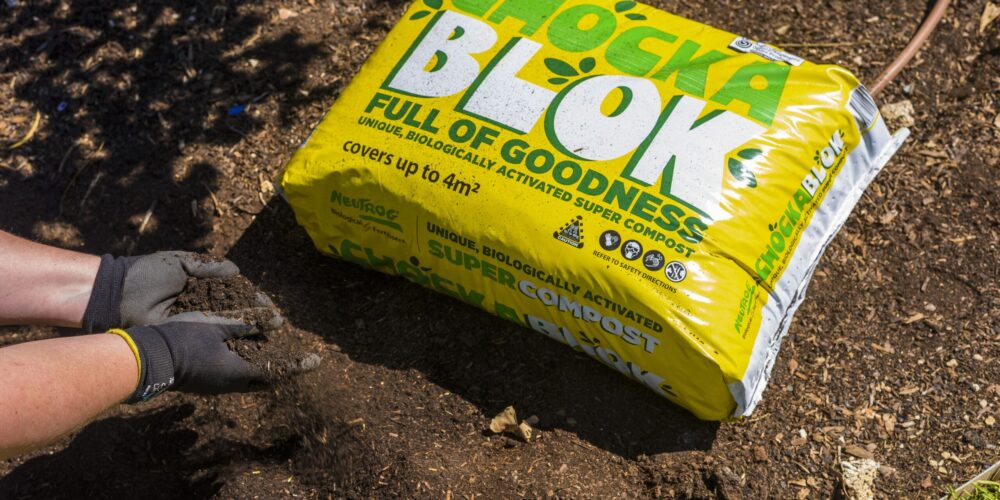
Neutrog’s newest product, is a super compost named CHOCKABLOK, made from high quality, composted raw materials and ideal for this job. Importantly, it contains no green waste or seeds, ensuring a consistent premium quality compost which will improve soil structure, and boost nutrients and microbial activity.
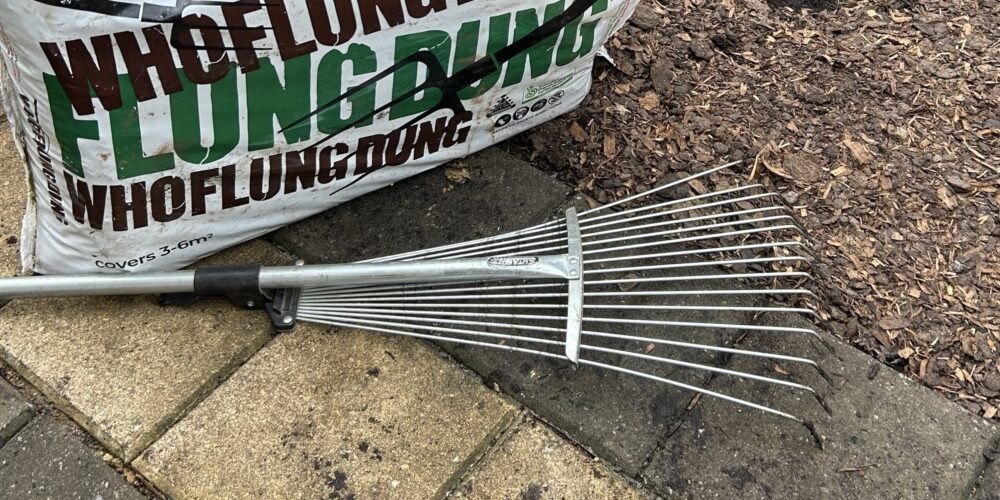
Then apply an application of 10cm of Whoflungdung plus Neutrog Seamungus and Neutrog GoGo Juice (a soil probiotic) to the area to be planted with the new roses or try their more intensive biological soil conditioner ‘Popul8’.
This mixture should be dug over into the ground to at least the depth of the spade or even deeper if possible. If the ground is heavy with a high clay content, an application of gypsum may be required.
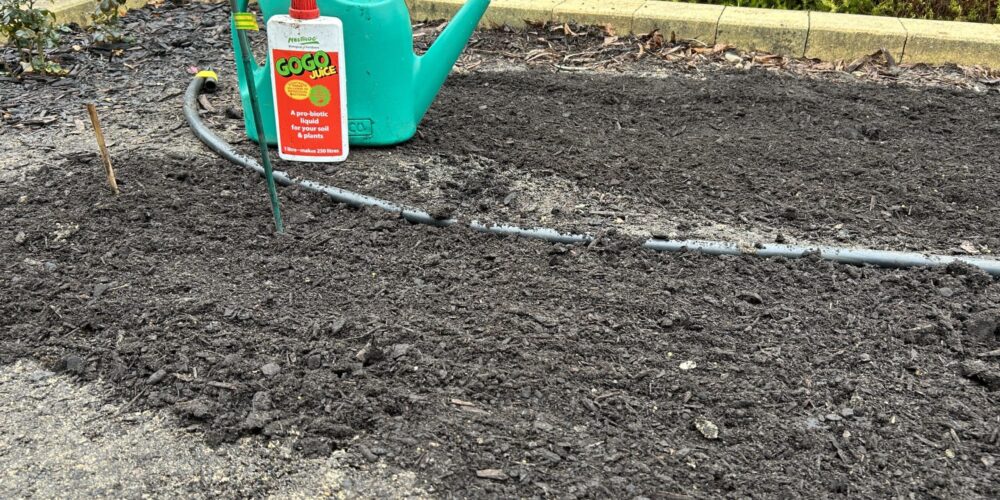
Repeat the application of GoGo Juice every few weeks until the end of May. Keep on digging over the soil to reduce weed growth and to encourage the earth worms and beneficial microbes to remain very active.
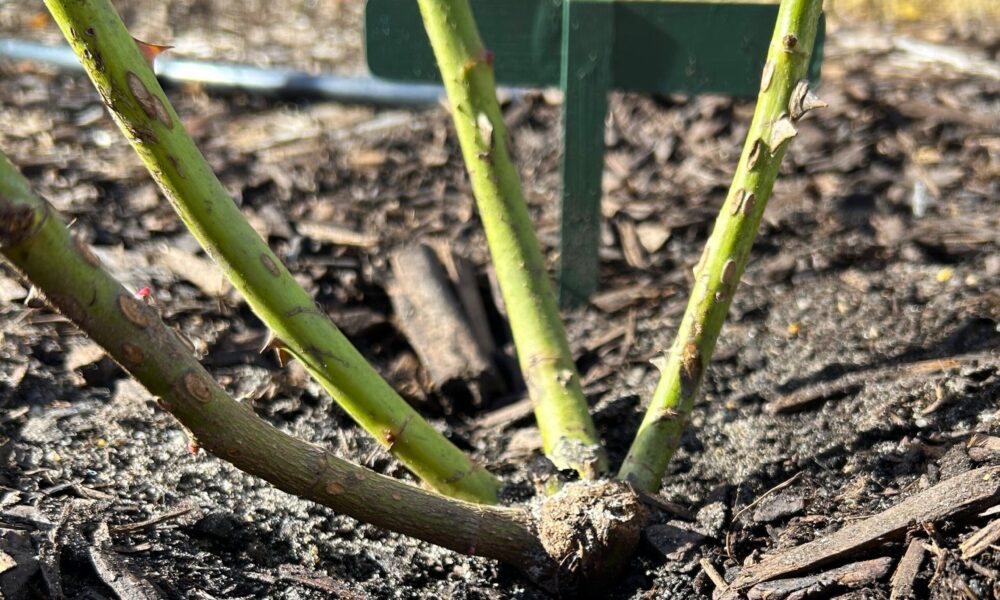
New rose beds or locations should be prepared in the same way, except the removal and replacement of soil is not required.
BAROSSA HOSTS SPRING ROSE SHOW

In recent years, the Rose Society of South Australia has continued its idea of “taking roses to the people”. This year, the Rose Society’s popular Spring Rose Show will be held at South Australia’s largest regional shopping mall – Barossa Central, 1 Murray Street Nuriootpa on Saturday 18th of October (12 noon to 5pm) and Sunday 19th of October (9am to 4pm).
The Barossa Central Mall will be filled with competition enteries and creative floral arrangements. Visitors can get advice from the experts, learn more about rose growing, have a rose identified or become a Rose Society member.
Home gardeners are encouraged to attend on Sunday 19th of October between 10am – 12 noon with their home-grown entries for the Community Class competition* (bring roses with a stem and foliage in water). We are hoping to see lots of entries on the bench and of course there are prizes for the winners.
The Rose Show is generously supported by Barossa Central. Come and smell the roses and stay for morning tea, lunch or afternoon tea. Free admission.
* For more information and show details: Rose Society of South Australia
SPRING ROSE GROWING NOTES
Fertilising Your Roses in Early Spring
By now, you should have finished pruning and new shoots will be appearing on your rose plants with the warm weather starting.
Give the roots “a boost” by applying a soil tonic or root stimulant, such as Neutrog Seamungus. This seaweed-based soil and plant conditioner, recommended by Rose Societies around Australia, stimulates and supports root growth and development. It is also ideal for establishing new plants, particularly bare-rooted roses.
We recommend fertilising roses with Neutrog Sudden Impact for Roses when the new rose shoots are 2cms long. Water the fertiliser in after application or, better still, apply prior to forcast rain. This fertiliser is specifically tailor made for roses and has a hig potash content to assist in boosting flowering and offering improved disease tolerance.
Mulch you rose garden
The benefits of applying mulch include:
- Weed suppersion
- Reducing the amount of evaporation and watering needed
- The mulch breaks down and adds organinc material into the soil
- The introduction of beneficial bacteria
- Encouraging earthworms that aerate the soil
- Regulates soil temperature
- Helps to prevent erosion from heavy rain
Knight’s Roses and the Rose Society recommend Neutrog’s organic mulch ‘Whoflungdung’. It’s a biologically activated, nutrient rich, weed free, absorbant super mulch. Apply the muclh in early spring, according to the manufacturer’s directions. Remember to keep the mulch about 15cm away from the base of young roses in case it burns.
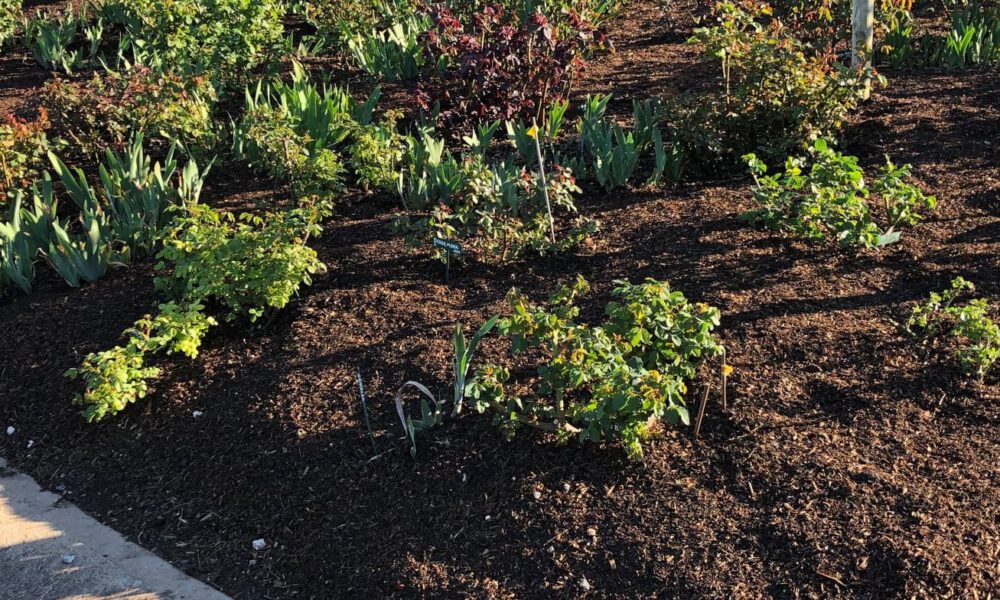
Watering is key to healthy plants
Roses in their first year require supplementary water as their roots are not fully established and the young plants can dry out more quickly than well-established plants.
Generally, we can experience some hot weather in spring and established roses need an average of 20 to 30 litres of water for each rose per week. It is essential that a rose is well hydrated prior to expected heatwaves, where temperature is above 35°C on average. If severe heat is forecasted in the week ahead, you should increase the rate of water to 30-40 litres per plant. If a rose dries out, it is difficult to get it to recover quickly. It is recommended to apply the water in one weekly application or, at most, twice per week preferably in the eaarly morning. Deep watering weekly is far better that small amount daily. These watering recommendations assume you have a substantial covering of mulch.
If you plants are healthy, you will see strong water-shoots emerging from the base of the plant. These are typically rapidly growing and soft. They may need staking to prevent them from snapping off in strong winds. Also, standard roses and climbers should be securely tied to their supports.
As shoots reach 15cm in length, apply preventative fungicides to avoid bad infestations of black spot, rust and mildew. A preventative spraying regime will ensure healthy foliage into summer. A couple of sprays, a fortnight apart, mid to late September and early October may be required. Organic oils (such as Eco-Oil, Eco-Neem or pyrethroid are “gentle on the environment” preventative sprays) which can be used to control aphids and grubs but should only be used if these pest are present. Hoticultural oils should not be used when temperatures are above 32°C.
LET'S STAY CONNECTED ON SOCIALS
For more rose growing inspiration, care tips, and behind the scenes moments from the nursery, follow us on:
We share everything from pruning how-tos and seasonal rose advice to sneak peaks at whats blooming around the nursery.
Tag us @knightsroses – we love seeing your gardens!
